How to Clean Window Tracks the Right Way
Window tracks are the part of a cleaning most people either skip or fight with the wrong tools — a wet rag that just pushes grime around, or a scrub that turns dry dirt into mud. There’s a real, tested order of operations that actually works, and it starts before any liquid touches the track at all.
100+ REVIEWS |
INSURED & BONDED |
100% SATISFIED CLIENTS
What’s the correct order for cleaning a window track?
1. Remove dry debris first — always before adding any liquid
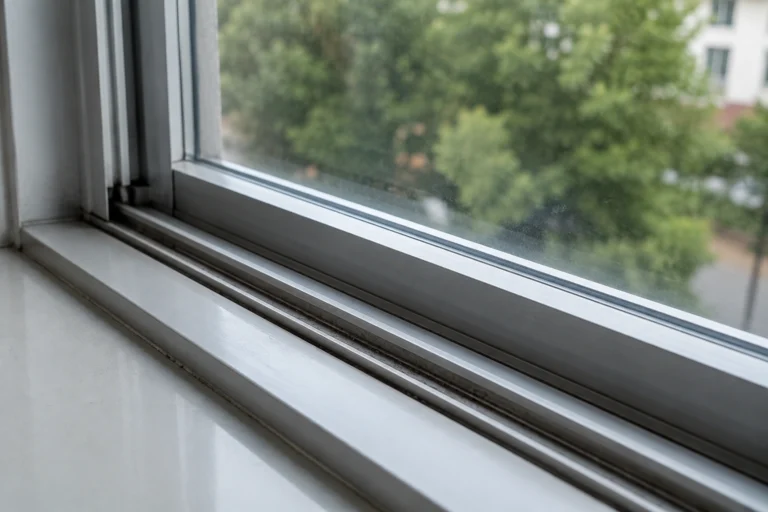
Use a small dry paintbrush or an old toothbrush to sweep loose dirt, dead bugs, and dust out of the corners, then vacuum with a crevice or brush attachment to pull it all out. This step gets skipped more than any other, and skipping it is the single biggest reason a “cleaned” track still looks dirty afterward — wetting dry dirt before removing it just turns it into a paste that’s harder to lift, not easier.
2. Apply a simple vinegar-based solution
Mix roughly equal parts water and white vinegar, with a small drop of dish soap, in a spray bottle. For stubborn or greasy buildup, a light dusting of baking soda before spraying the vinegar mix creates a gentle fizzing action that helps lift grime without heavy scrubbing.
3. Let it sit briefly, then scrub the actual grooves
Give the solution 5 to 10 minutes to loosen grime, then work an old toothbrush or a small stiff-bristled brush along the length of the track, paying particular attention to corners where debris tends to pack in tightest.
4. Get into corners with a wrapped tool
For the narrow 90-degree corners a brush can’t reach well, wrap a microfiber cloth around a flathead screwdriver or butter knife and run it along the edge — this reaches tight spots a brush physically can’t.
5. Wipe clean and dry completely
Use a damp microfiber cloth to lift the loosened dirt and liquid, then finish with a completely dry cloth. Drying fully matters more than it sounds like — leftover moisture in a track is exactly the condition that invites new mold or biological growth to start.
How often should window tracks actually be cleaned?
For most homes, a deep clean twice a year — spring and fall — covers routine maintenance, with a lighter vacuum or wipe-down every 4 to 8 weeks in between to stop dirt from hardening before it becomes a bigger job. Homes near dusty roads, with heavy tree cover, or in coastal areas generally need the more frequent end of that range, since the source of debris regenerates faster than average conditions allow for.
Why do window tracks matter beyond just looking clean?
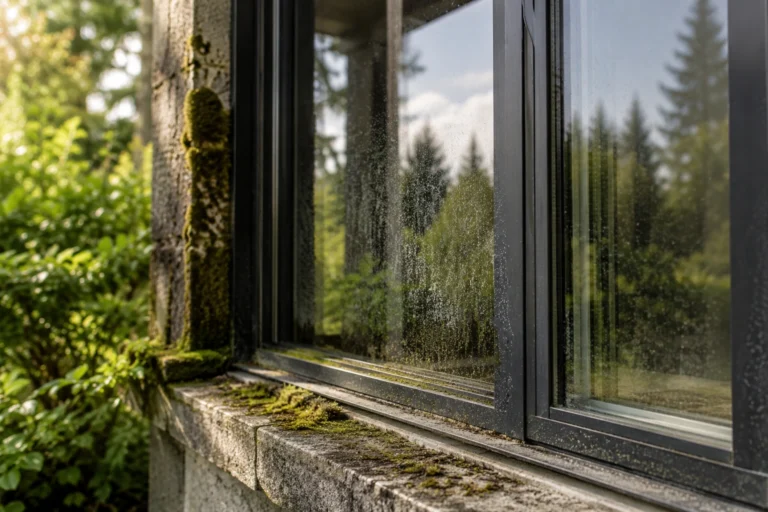
Grime sitting in a track isn’t purely cosmetic. Left long enough, dirt and debris can make windows harder to open and close, and trapped moisture in an uncleaned track creates favorable conditions for mold to establish — both real, functional problems rather than just an appearance issue.
Can I lubricate the track after cleaning it?
Yes, and it’s worth doing once the track is fully clean and dry — but the product matters. A dry silicone-based spray lubricates without attracting new dust the way a petroleum-based product like standard WD-40 does; oil-based lubricants tend to turn into a gummy residue over time that actually makes the track dirtier and stickier than before. Apply a light coat directly into the clean, dry track, then slide the window a few times to work it in evenly, wiping away any excess.
Is there a faster way if I just don’t have time for the full process?
If you’re pressed for time, the dry-debris removal step (brush and vacuum) is the one to never skip, even if you shortcut everything after it — a quick vacuum alone prevents loose dirt from packing down and hardening into something that needs much more work later. The vinegar solution and detailed corner work can wait for a proper deep clean; dry removal shouldn’t.
Got Questions?
We’re happy to help. If you can’t find the info you’re looking for, please don’t hesitate to reach out to us!
Call us (323) 831-1260
Book Full-Window Service (screens & tracks always included) — see our full Screen & Track Detailing Portland page for details.