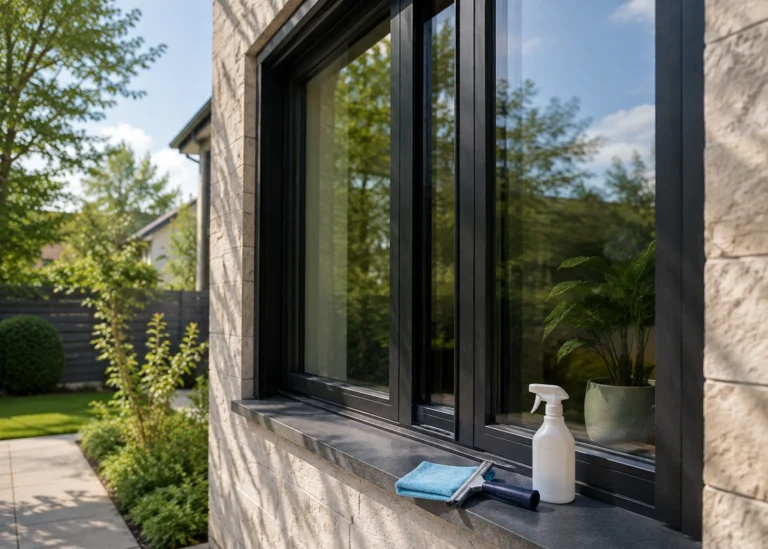
How to Clean Mold Off Window Sills Safely
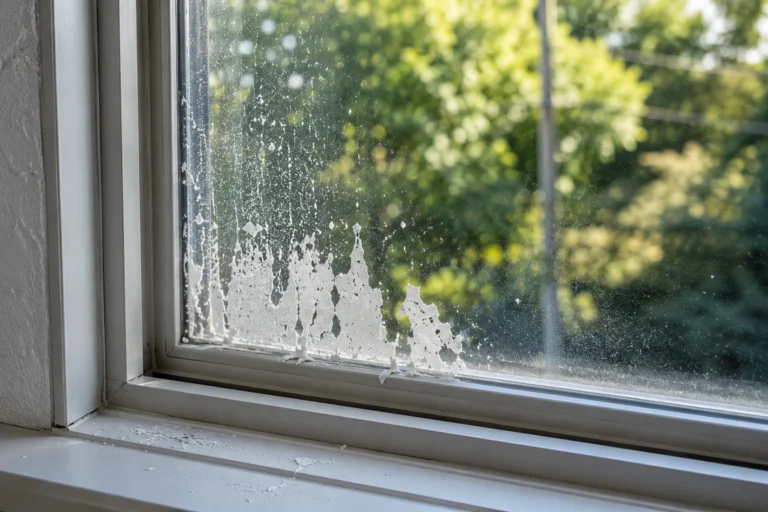
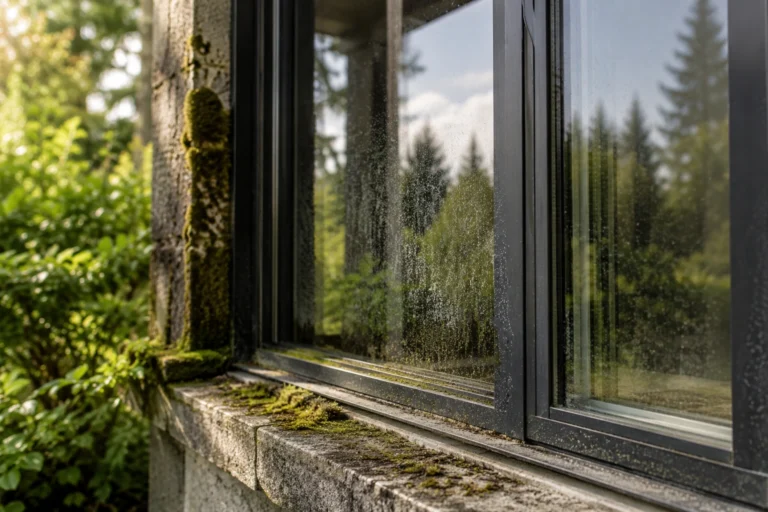
Mold at a window sill is common enough that it’s easy to treat as routine grime — but it’s a genuinely different cleaning job from dust or pollen, both in how you approach it and in the basic precautions worth taking first. Here’s the actual, correct process.
100+ REVIEWS |
INSURED & BONDED |
100% SATISFIED CLIENTS
What’s the safest way to clean mold off a window sill?
1. Protect yourself before you touch anything
Put on rubber gloves and, for anything beyond a very small spot, a basic face mask — the concern isn’t the mold itself so much as disturbing spores into the air you’re breathing while you clean. Open the window if you can for airflow while you work.
2. Remove loose, dry material first
Use a vacuum with a brush attachment, or a dry cloth, to lift away loose dirt and dry mold before introducing any liquid — wetting it first just spreads spores around rather than containing them.
3. Apply the cleaning solution and let it actually sit
White vinegar, used full-strength or as a strong dilution, is a genuinely effective option — the acid breaks down mold structures on contact. Spray it generously and let it sit for a meaningful amount of time (recommendations across sources range from about 10 minutes up to an hour for stubborn buildup) rather than wiping it off right away — the sitting time is what lets it actually kill the mold at the surface, not just move it around.
4. Scrub, then wipe and dry completely
Use an old toothbrush or soft-bristled brush to work the loosened mold free, then wipe clean with a damp cloth and finish by drying the sill fully. This last step matters as much as the cleaning itself — leftover moisture is exactly the condition that invites the mold to return.
Is vinegar or bleach better for mold on a window sill?
Both show up consistently as viable options, with a real tradeoff worth knowing. Vinegar is safe on most surfaces and doesn’t carry bleach’s fume concerns, but it shouldn’t be used full-strength on raw or unfinished wood. A diluted bleach solution (commonly cited around one part bleach to three parts water) is effective but needs caution on painted or wooden sills specifically, since it can cause discoloration. For a painted or finished sill, vinegar is generally the lower-risk starting point; reserve bleach for surfaces where discoloration isn’t a concern.
Does cleaning the mold off actually stop it from coming back?
Cleaning removes what’s already there, but it doesn’t address why it grew in the first place — and that’s the part worth actually fixing. Window sill mold consistently traces back to condensation and trapped moisture, so the real prevention steps are wiping down condensation regularly (especially in colder months), improving airflow by opening windows periodically, and checking that outdoor water isn’t getting in past aging caulk or a stressed seal. Cleaning without addressing the moisture source usually means doing this again within a season.
Is mold on a window sill actually dangerous?
In small, contained amounts, window sill mold is generally treated as a manageable cleaning issue rather than an emergency — but it’s still a real allergen for sensitive individuals, and it’s worth taking seriously rather than ignoring, particularly in a household with allergies, asthma, young children, or anyone immunocompromised. If mold coverage is extensive, keeps returning despite cleaning and drying efforts, or you’re noticing it alongside a musty smell elsewhere in the room, that’s a reasonable point to have the underlying moisture source properly assessed rather than continuing to treat the symptom.
Can I prevent mold without buying anything special?
Mostly, yes. The three real prevention levers — wiping down condensation, improving airflow, and checking your seals — cost nothing beyond a few minutes of routine habit. The one place spending helps is a dehumidifier for a room that stays consistently humid, which addresses the root moisture problem rather than just the visible symptom on the sill.
Got Questions?
We’re happy to help. If you can’t find the info you’re looking for, please don’t hesitate to reach out to us!
Call us (323) 831-1260